
The Unglamorous Path to Authenticity
There’s a peculiar irony at the heart of Any Young Mechanic’s story. Here’s a band that’s deliberately chosen the harder route – rehearsing in a cramped bedroom, building their audience organically, resisting the pressure to “make the right plays” for industry gatekeepers. And somehow, they’ve stumbled onto something precious that bands with proper management and funding often struggle to find: complete creative freedom.
Drummer Jay Eliot Mee articulates this beautifully when discussing the band’s approach to folk traditions and breaking away from indie rock clichés. He references contemporary visual art to explain how every artistic decision opens up new possibilities. It’s the kind of thoughtful, considered philosophy that doesn’t emerge from chasing streaming numbers or pleasing algorithm overlords. It comes from genuinely having the space to ask yourself: “What do I actually want to make?”
Adelaide: Where Obscurity Is a Feature, Not a Bug
Let’s be frank – Adelaide doesn’t have a booming music industry. It’s not London or New York or even Melbourne. And that’s precisely why the city’s DIY scene is producing such compelling work right now.
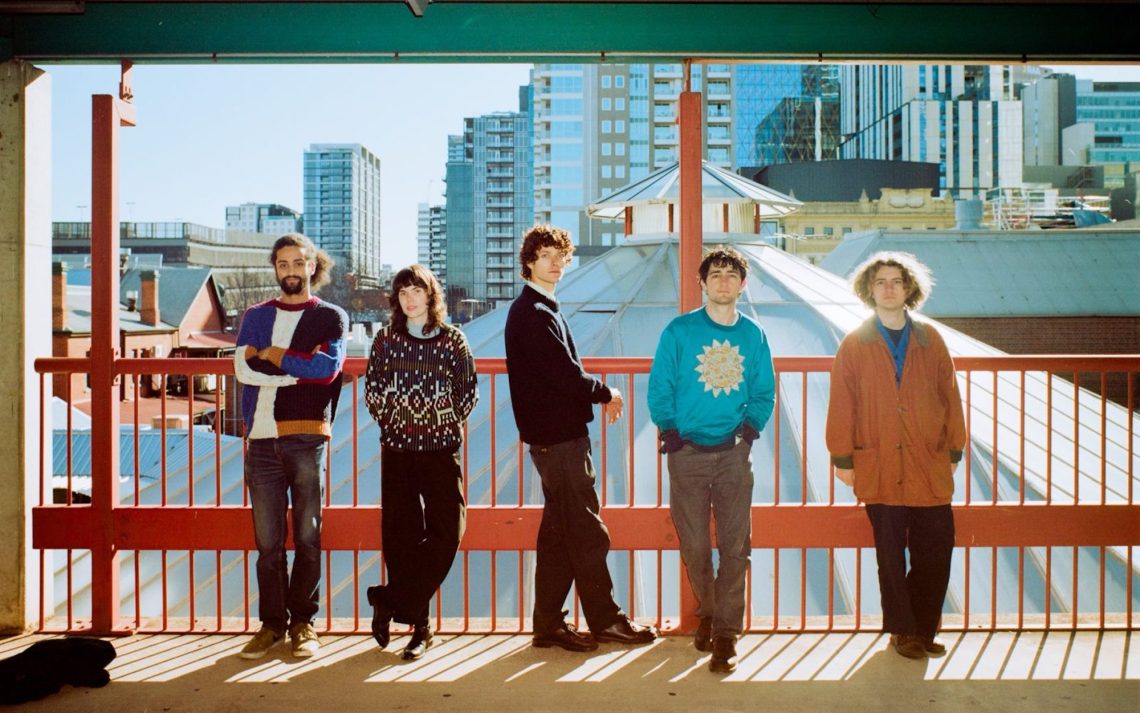
The five members of Any Young Mechanic – Sam Wilson, Thea Martin, Luka Kilgariff-Johnson, Allan McBean, and Mee – all had people in their lives suggesting they get “real jobs.” That’s the Australian mindset they describe: pragmatism over art, stability over risk. But here’s the thing: that same lack of commercial infrastructure means there’s virtually no pressure to make “commercial” decisions. You’re not being courted by labels, pushed toward certain sounds, or encouraged to soften your edges for radio play.
Instead, you get bands making “the wackiest stuff they possibly could,” as Martin puts it. You get Wednesday night gigs with ten people in the room where something genuinely extraordinary is happening. The international acts at festivals like The Great Escape might have better press coverage, but as Wilson points out, that often says more about their management strategy than their actual creativity.
The Paradox of Growth
There’s a fascinating tension running through the band’s perspective on Adelaide’s future. They’re not arguing against infrastructure or greater global recognition. What they’re cautious about is what inevitably comes with it: the “kettle of vultures,” as Wilson describes them, looking to commodify and monetise the very authenticity that makes the scene special.
It’s a trap that’s played out countless times. A vibrant underground scene gets discovered. Investment pours in. Suddenly there are expectations, A&R representatives, pressure to capitalise before the trend passes. The wackiness gets smoothed into palatability. The freedom evaporates.
Any Young Mechanic seem to understand that their strength lies not in chasing that version of success, but in deepening their craft regardless of who’s watching. When you’re not optimising for external validation, you can actually focus on the work itself.
Folk Traditions as Quiet Rebellion
The band’s incorporation of folk traditions isn’t nostalgic or retro in the trendy sense. It’s a deliberate choice to sit within “a continuum” – to acknowledge that they’re part of a lineage of music-makers that extends far beyond the last decade’s indie rock orthodoxy. In choosing banjo, violin, and double bass over drum machines and synths, they’re rejecting the assumption that innovation must mean technological advancement.
There’s something quietly radical about that. In 2026, when so much music industry conversation revolves around streaming optimisation and TikTok virality, a band consciously building their sound around acoustic instrumentation and unhurried songcraft feels genuinely countercultural.
The Real Lesson
What makes Any Young Mechanic worth paying attention to isn’t just their music – though from all accounts, it’s excellent. It’s that they’ve built their practice around decision-making rather than default-setting. Every choice is intentional. They’re mindful of where they sit in the continuum of music history. They’re resisting the cliché.
The Great Escape has given them a platform to share what Adelaide’s been nurturing. But their real achievement isn’t getting noticed – it’s remaining uncompromised in the process. In a landscape where so many bands are optimising for discovery, they’re optimising for integrity instead. That’s the kind of quiet, fundamental decision that opens up endless creative possibilities.
Maybe that’s the actual secret that underground scenes hold: sometimes the best thing that can happen to your music is for nobody important to be watching.
