
The Art of Festival Curation: Why Rock In Rio Lisbon Stands Apart
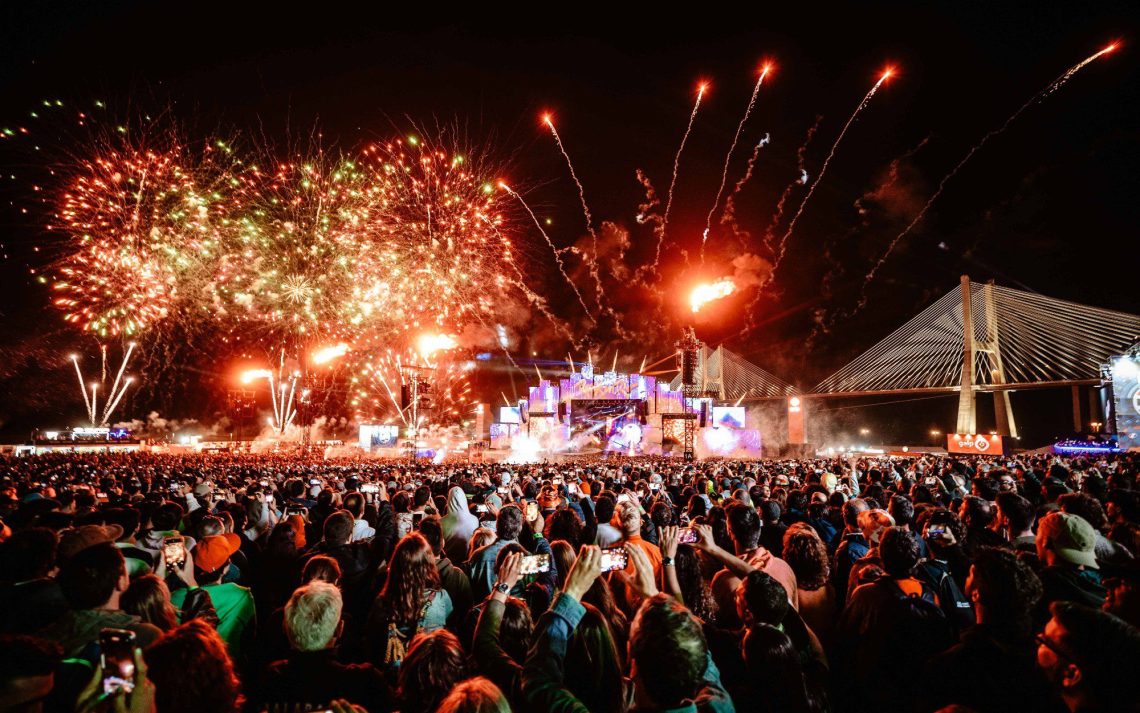
There’s a fundamental difference between throwing together a stellar lineup and architecting a festival experience that resonates with diverse audiences. Rock In Rio Lisbon 2026 demonstrates this distinction perfectly. With 100,000 attendees expected across each of its four days at Parque Tejo – a sprawling venue nestled along the Tagus river – this isn’t just another European festival. It’s a masterclass in strategic programming.
What makes this year’s edition particularly compelling is how organisers have structured the entire experience around thematic “pathways.” Rather than forcing every attendee into a one-size-fits-all experience, the festival acknowledges that music tastes vary wildly. Pop Day (June 20), Rock Day (June 21), Legends Day (June 27), and the hip-hop and Afrobeats-focused finale (June 28) each speak to different audience demographics and musical preferences.
The Genius of Genre-Based Days
Consider the simplicity yet brilliance of this approach. June 20 brings Katy Perry and the pop contingent – perfect for families, casual listeners, and those seeking radio-friendly anthems. June 21 pivots sharply with Linkin Park steering the rock contingent. Then comes Rod Stewart anchoring a Legends Day billing that acknowledges rock’s heritage. Finally, 21 Savage and Central Cee lead a closing day that celebrates contemporary urban music culture.
As Roberta Medina, VP of Rock In Rio, cleverly puts it: “I always joke that the first day is for parents who don’t want to bring their kids, and the last day is for kids who don’t want to bring their parents.” This observation reveals something profound about festival design – successful events accommodate multiple generations and musical worldviews simultaneously.
From Brazil’s Military Era to Continental Dominance
To understand why Rock In Rio Lisbon 2026 feels different, you need to grasp its origin story. Founded in 1985 by Roberto Medina, the original Rock In Rio emerged during a peculiar moment in Brazilian history. The country had recently emerged from military dictatorship, and international artists remained sceptical about performing there. Major touring acts worried about payment reliability and equipment security – legitimate concerns for artists operating in unfamiliar territories.
Roberto Medina’s solution was ingenious. By securing a long-term sponsorship partnership with a major Brazilian beer brand, he guaranteed festival funding whilst simultaneously positioning the event as a youth-centric, disruptive force. The 1985 inaugural festival, featuring Queen, AC/DC, Iron Maiden, and Rod Stewart, accomplished dual objectives: it reassured Brazil’s government that large youth gatherings were manageable, and it positioned Rio de Janeiro on the global festival circuit.
The Lisbon Expansion: Transplanting Success Across Continents
The Rock In Rio brand experienced renaissance moments in 1991 and 2001 before becoming truly international during the mid-2000s. The 2004 debut of Rock In Rio Lisbon proved the format’s flexibility. That first Portuguese edition featured Paul McCartney, Foo Fighters, Black Eyed Peas, and Alicia Keys alongside local legends Xutos & Pontapés – demonstrating how the festival could honour both international prestige and regional identity.
This bicontinental approach to festival curation remains unusual. Most European festivals either chase exclusively international headliners or lean heavily on regional talent. Rock In Rio Lisbon balances both with apparent ease, respecting Portuguese musical heritage whilst maintaining global appeal.
2026’s Aerial Innovation: The Flight Experience
Beyond programming sophistication, this year’s edition introduces “The Flight” – a daily aerial show featuring five Yak-52 aircraft performing acrobatic sequences above the festival grounds. It’s emblematic of how Rock In Rio continues innovating beyond traditional stage presentations. When you’re not absorbing world-class performances across three massive stages, you’re encouraged to look skyward.
This kind of experiential layering separates genuinely memorable festivals from forgettable ones. The experience transcends music into something more cinematically immersive.
Why Festival Design Matters More Than You Think
The music industry often emphasizes lineup strength as the primary success metric. Yet Rock In Rio Lisbon’s approach suggests something more nuanced: context matters. How you structure days, how you acknowledge different audiences, how you surprise attendees with unexpected elements – these decisions compound into festivals that feel intentional rather than haphazard.
The four-day format with distinct thematic identities also solves a practical problem for attendees. Festival fatigue is real. By giving people permission to choose their day based on musical preference, Rock In Rio Lisbon essentially becomes multiple festivals housed within a single brand. Parents needn’t endure screamo if pop’s their preference. Teenagers needn’t tolerate classic rock if hip-hop’s their language.
The Festival Landscape in 2026
In an era where the music industry continues evolving rapidly, festivals remain cultural anchors. They’re where artists and audiences create shared memories, where genres collide, where live performance reasserts its irreplaceable value against recorded music consumption. Rock In Rio Lisbon 2026 understands this cultural significance and treats festival curation as an art form.
The original Rock In Rio solved a specific problem: how to make Brazil feel safe and appealing during political uncertainty. Rock In Rio Lisbon solved a different problem: how to create a world-class festival experience that respects diverse musical tastes. Now, with over four decades of institutional knowledge, the brand continues solving yet another puzzle – sustaining relevance and innovation in increasingly competitive festival markets.
Final Thoughts: Festival as Curator, Not Just Promoter
What separates truly exceptional festivals from adequate ones often comes down to curatorial vision. Rock In Rio Lisbon 2026 exemplifies this distinction. It’s not simply assembling famous names. It’s thoughtfully architecting an experience where each day speaks to different audiences, where aerial shows complement musical performances, where heritage and innovation coexist, and where 100,000 people across four days feel genuinely considered rather than merely accommodated.
That’s why Rock In Rio Lisbon feels like a festival unlike others. It operates from first principles: understand your audience’s diversity, respect their preferences, then execute with world-class artistry and attention to experiential detail.
