
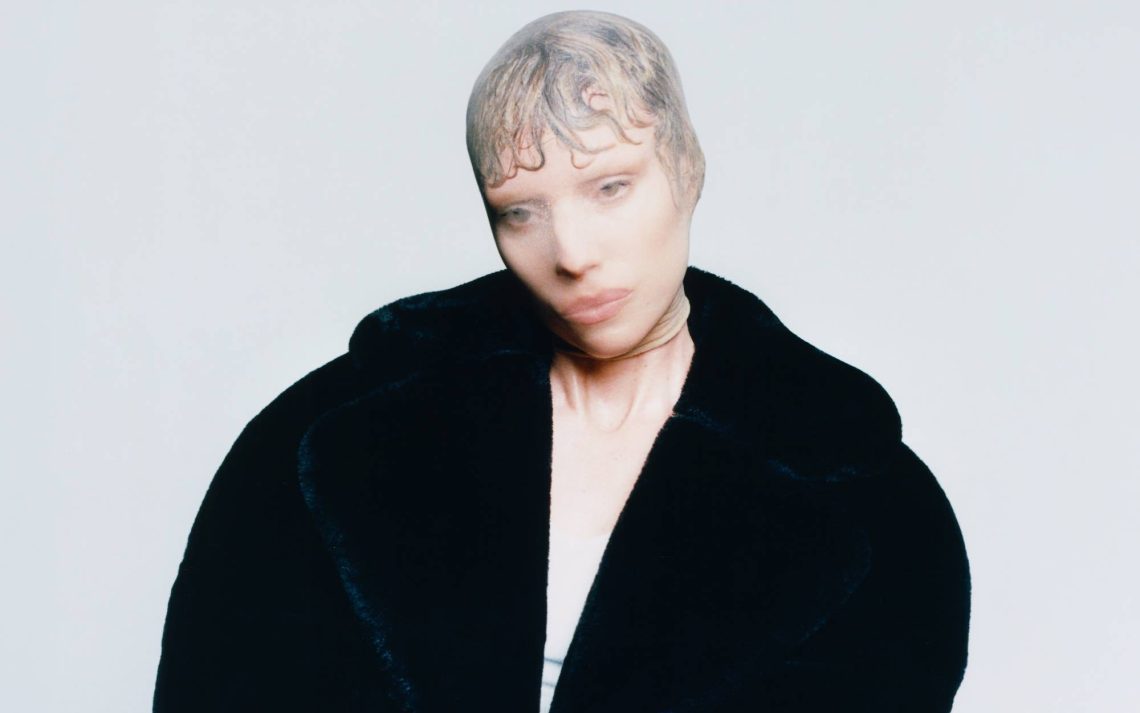
Lykke Li’s ‘The Afterparty’: A Defiant 24-Minute Masterclass in Controlled Chaos
Sometimes the best farewells are the shortest ones. When Lykke Li gathered an audience in Los Angeles earlier this year to premiere her sixth studio album, ‘The Afterparty’, she made something abundantly clear: “Let’s talk about the album. It was a motherfucker to make.”
Fair enough. The Swedish alt-pop icon spent this record wrestling with competing impulses – a desire to create something “extroverted, impulsive and chaotic” that departed from the relative restraint of her previous work, EYEYE. But she was doing it against the backdrop of 2026’s particularly turbulent cultural moment, whilst raising two children and navigating the existential weight that comes with both. The result? An album that exists in that peculiar emotional pocket of “4am, and the sun is going to rise” – that liminal space where hedonism meets reckoning, where the party’s still technically going but everyone can smell the hangover arriving.
Nine Songs, One Unforgettable Night
At just nine tracks and 24 minutes, The Afterparty refuses to overstay its welcome. There’s something almost defiant about its brevity in 2026, when sprawling double albums and 90-minute runtime statements have become the norm. But here’s where Li’s instincts prove masterful: she doesn’t compress her vision to fit a shorter format. Instead, she’s distilled it.
The opener, ‘Not Gon Cry’, sets the scene with literary precision: “No angels here tonight, no dancing queens.” It’s an ode to those cross-legged early morning hours when the night has curdled into something else entirely. The song moves with a skittering pop-noir sensibility that immediately establishes the album’s emotional geography – a world where raw vulnerability meets streetwise swagger.
Follow this with ‘Happy Now’ and ‘Lucky Now’ (the latter an inverted ABBA disco moment that shouldn’t work but somehow does), and you’ve got a potent cocktail. These tracks blend the DNA of Li’s early alt-folk work – that danceable rawness that first caught attention – with the more urbane textures she developed on So Sad, So Sexy and her 2019 collaboration with Mark Ronson on ‘Late Night Feelings’. It’s the sound of someone who knows how to move a dance floor and how to break your heart without apologising.
The Crash That Teaches You Something
The album’s middle section is where Li’s maturity as a songwriter becomes impossible to ignore. ‘Famous Last Words’ arrives draped in orchestral strings, and it’s devastating – a reckoning song about lessons learned too late, about the cost of all those late nights. “I had to crash and burn to tell the tale,” she sings, and you believe every word.
Then comes ‘Future Fear’, a robotic acoustic ballad that confronts the dread head-on. There’s something almost conversational about its bleakness: “I’m going to a dark place, do you need anything?” It’s darkly funny and deeply honest in equal measure.
But Li doesn’t linger in despair. ‘So Happy I Could Die’ is a gem – a sunrise song that recaptures those witching hour moments when time seems to stretch and slip simultaneously. It’s brief, but it reminds you why this album matters: Li has always been exceptional at documenting the emotional texture of specific moments in time.
Defiance in the Breakdown
‘Sick Of Love’ channels a rage that feels cathartic and necessary. It’s the sound of someone who won’t be diminished by rejection, and it’s positioned perfectly – imagine if a song could function as a spiritual companion to Robyn’s ‘Dancing On My Own’, but from the other side of the equation entirely. There’s revenge in this track, but it’s the intelligent, creative kind.
And then comes ‘Knife In The Heart’ – the album highlight and a certain encore starter whenever Li tours this material. She’s described wanting to embody the “rock god” and the “fuck boy” simultaneously, and this track is where that duality comes alive. “You can spit, you can walk on me,” she sings over one of the most entrancing beats she’s produced in years. It’s a refusal to break, rendered as an irresistible hook.
The Closing Shot
The cinematic closer, ‘Euphoria’, wraps everything up with a string arrangement and a reminder that nothing built to last this long ever actually does. “Player play your song, waste the night away,” Li sings, and you can hear the sunrise in her voice. It’s simultaneously hedonistic and melancholic, a perfect note on which to end.
So where does this leave us? Li has suggested this could be her final album, which feels both plausible and impossible simultaneously. The Afterparty has the weight and the craft of something conclusive, but it also vibrates with too much life, too much urgency, to feel like a true goodbye. It’s more like a masterclass in controlled chaos – proof that some artists get better at what they do precisely when they’re willing to pare everything back to what actually matters.
She’s definitely got at least another round left in her. Whether she takes it or not remains to be seen.