
The Accidental Musician
When Keath Ósk first started posting music as Yaelokre in 2024, there was no grand master plan. No five-year strategy. No calculated TikTok algorithm hack. It was, by their own admission, spontaneous – the kind of creative impulse you’d share on Facebook without overthinking it. Two years later, that casual experiment has blossomed into something far more complicated and culturally significant than anyone could have anticipated.
“There was no pressure, no plan to be a musician,” Ósk explains with characteristic honesty. Growing up, they dreamed of becoming a teacher or children’s book illustrator, not a musician shepherding millions of fans through an elaborate fantasy universe. Yet here we are in 2026, and Yaelokre has become one of the year’s most fascinating case studies in how creativity, fandom, and the internet collide in the modern music landscape.
Meadowlark: The World Within
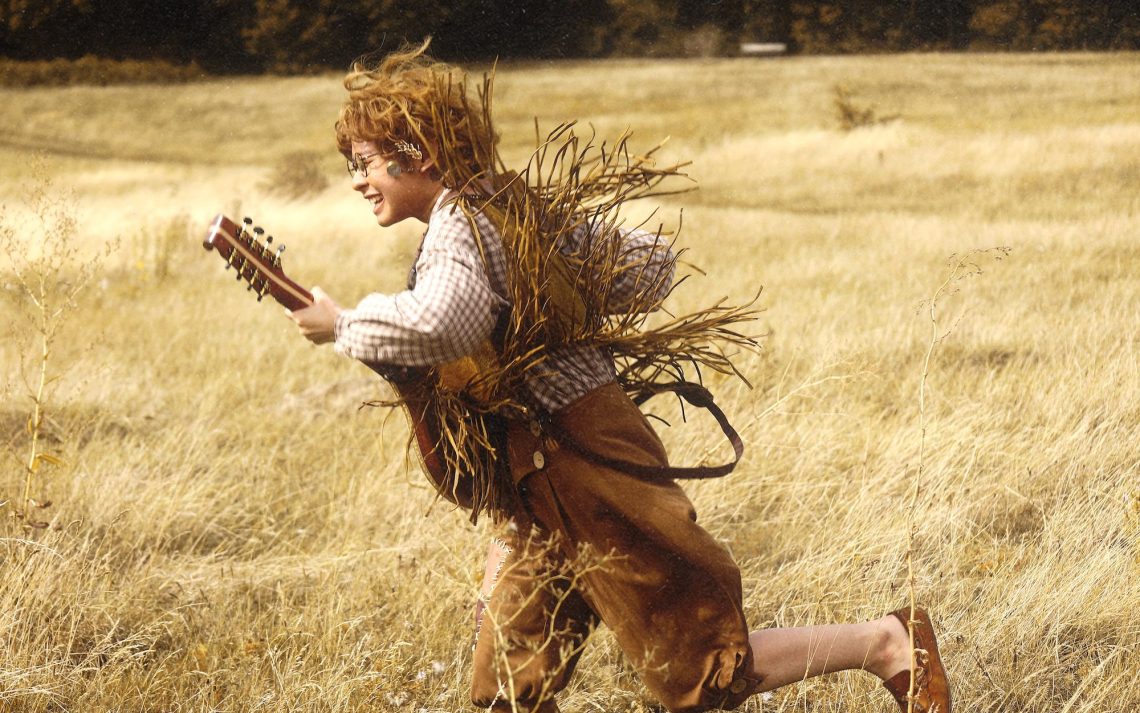
At the heart of Yaelokre lies Meadowlark – an intricate fantasy world that germinated in Ósk’s childhood and teenage journals before being transformed into something far more expansive. The guitalele-driven folk-pop songs that carry these stories follow four masked characters through a narratively rich universe. There’s the tale of fleeing antelopes in ‘Hartebeest’, the tender story of plucky baby hares and goats in ‘Kid & Leveret’, and the haunting ‘Harpy Hare’, which explores themes of loss and identity through the lens of half-human, half-hare mothers.
What makes this world-building so compelling isn’t just the fantastical subject matter. Ósk has deliberately woven Renaissance-era language throughout, crafting verses that feel deliberately archaic and poetic: “Running my hands on twine for chord / a timorous glance from mine to yours” from ‘Hearken’ exemplifies this commitment to linguistic texture. It’s meticulous work that transforms what could have been simple folk-pop into something genuinely literary.
The thematic range is surprisingly sophisticated too. Alongside the narrative songs sits ‘Hearken’, an anthemic call to presence, and ‘Kamahalan’, which channels self-worth and inner-child magic. It’s music that speaks to both the fantastical and the deeply personal – stories about imaginary worlds that somehow illuminate real emotional truths.
The Complications of Success
Success, when it arrived, was both blessing and curse. Within months of launching, Yaelokre had amassed millions of listeners. Sold-out shows now feature audiences dressed in Meadowlark costumes. Fans write their own fiction set within the universe. Some have even recreated the Filipino children’s clapping game ‘Nanay Tatay’ (‘Mummy, Daddy’) at Yaelokre concerts worldwide – a beautiful cross-cultural moment inspired by ‘Harpy Hare’, which samples the game and has accumulated 242 million Spotify streams.
This level of devotion is enviable, but as Ósk discovered, it comes with unexpected friction. Some fans began gatekeeping the lore, creating hierarchies around knowledge of Meadowlark’s mythology. Others made personal intrusions, questioning and sexualising Ósk’s body and gender identity. The casualness with which the project began suddenly felt weighty with the expectations and projections of millions.
Ósk has had to establish clear boundaries – particularly around the sexualisation of characters – navigating the delicate balance between protecting their creative vision and honoring the genuine community that’s grown around it.
The Silver Linings
Yet Ósk refuses to be defined solely by the complications. They’re equally passionate about highlighting what’s genuinely beautiful about their fandom. One fan told them they’d started learning Tagalog because of Yaelokre – a testament to how music can serve as a cultural gateway. The global recreation of ‘Nanay Tatay’ connected people across continents to a piece of Filipino heritage, transforming Ósk’s personal artistic expression into something genuinely cross-cultural.
“Through Yaelokre, people who are not Filipino are introduced [to Filipino culture],” Ósk notes with evident pride. This is what happens when an artist builds something authentic and joyous – it becomes a vehicle for connection that extends far beyond the music itself.
The Symbolism of Choice
The music video for ‘And The Hound’ encapsulates this duality perfectly. Ósk plays two characters with conflicting relationships to a simple piece of furniture. One sits coolly and sings; the other dances, resists, and at one point, sits terrified and crying. It’s a neat metaphor for Ósk’s own relationship with platform and power – the tension between settling into success and resisting its constraints, between vulnerability and performance.
As we head further into 2026, Yaelokre represents something increasingly rare in pop music: an artist who built something genuinely personal and complex, who refused to sanitise their vision for mass consumption, and who continues to wrestle honestly with the consequences of creating something people desperately want to believe in.
The chair remains, occupied and empty, danced around and clung to. Keath Ósk, it seems, is learning to live with the metaphor.
