
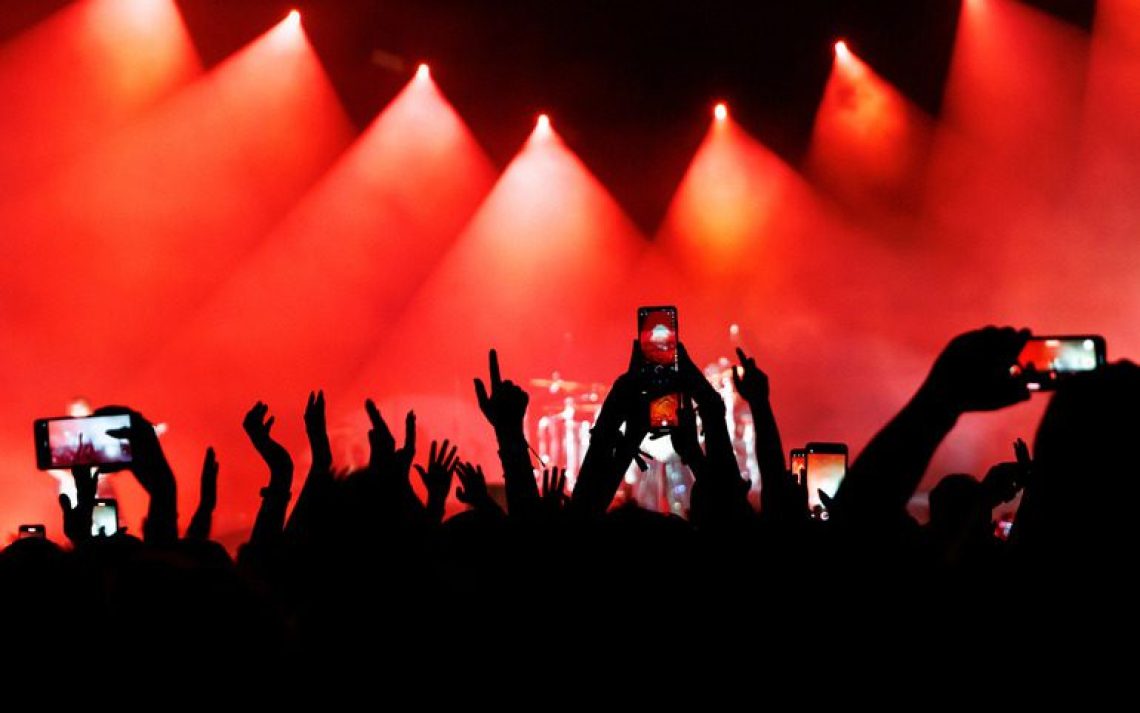
The Short-Form Revolution: When 15 Seconds Beats a Two-Hour Set
Remember when discovering live music meant catching a band at a festival, hearing them on the radio, or stumbling upon a concert video on YouTube? Those days aren’t entirely gone, but they’re definitely sharing the spotlight with something far more immediate: the viral clip.
In May 2026, the way audiences find and engage with live music has undergone a seismic shift. The best performances aren’t necessarily getting their biggest audiences during the actual gig anymore. Instead, they’re being discovered in fragmented, snappy clips posted across TikTok, Instagram Reels, and YouTube Shorts – often hours or even days after the performance itself.
It’s a phenomenon that’s reshaping everything from how artists structure their sets to how festivals market their lineups. And honestly? It’s worth paying attention to.
The Clip-First Discovery Landscape
What’s fascinating is how this has inverted the traditional discovery funnel. Historically, you’d hear a full song, become interested, and then seek out the artist’s other work. Now, you’re seeing a 20-second snippet of a guitarist’s incredible solo or a vocalist’s jaw-dropping moment, and that’s often enough to pull you into their orbit.
The numbers back this up. Short-form video platforms have become the primary discovery mechanism for music fans aged 16-30, but the trend is spreading across demographics. When a clip from a live set gains traction, it doesn’t just create curiosity – it actively drives streams of the recorded versions and pushes people toward ticket sales for future shows.
Why Clips Trump Full Sets (For Now)
- Attention spans: A 15-second clip respects the realities of how we consume content in 2026, when infinite scrolling is the default behaviour
- Shareability: A perfect moment is infinitely more shareable than a three-minute song, let alone a 90-minute set
- Algorithmic advantage: Platforms reward content with high engagement rates, and clips consistently outperform longer-form content
- FOMO factor: Watching a 20-second clip creates a desire to see the full performance – whether that’s watching the entire set video or attending a future show
How This Changes the Game for Artists
Smart artists and their teams have already adapted to this reality. Rather than viewing clips as competition for full recordings, they’re treating them as the opening act. Some performers are even strategically building their sets around moments they know will translate beautifully to short-form video – a strategic pivot that would’ve seemed bizarre just a couple of years ago.
Festival organisers are catching on too. In 2026, we’re seeing enhanced backstage areas specifically designed for social media capture, and artists are given guidance on “clippable moments” in their performances. It’s not cynical; it’s practical. A viral 20-second moment from a live set can effectively serve as a free advertisement for both the artist and the festival itself.
The Flip Side: What We Might Be Losing
There’s a legitimate question worth asking here: when we’re optimising for the clip, are we losing something about the experience of a full live performance? The journey of a 60-minute set, the narrative arc, the way an artist builds momentum across multiple songs – these feel increasingly sidelined in favour of extracting the highlight reel.
Some musicians have pushed back against this trend, arguing that it reduces their art to a series of moments rather than a cohesive experience. That’s a valid concern, though it’s worth noting that the clip economy hasn’t replaced the desire for full performances – it’s just created an additional layer of discovery and engagement.
What This Means for Music Discovery in 2026
The live music discovery landscape of May 2026 is fundamentally different from what it was even three years ago. The clip-first model has created both opportunities and challenges:
- Artists with strong visual elements and memorable moments have a significant advantage
- Smaller acts can now break through to mainstream attention via a single viral moment
- Streaming platforms are increasingly integrating social clips into their discovery features
- The definition of “breakthrough moment” has compressed from album cycles to individual performances
Finding the Balance
The most interesting artists in 2026 are those who understand that clips and full performances serve different purposes. A viral 20-second moment might introduce someone to an artist, but the full set – whether experienced live or via recording – is where the real connection happens.
Savvy fans are learning to navigate this too. Yes, scroll through the clips. Let them introduce you to new acts. But then go deeper. Watch the full performance. Go to the show. Experience the live moment in its entirety, even if nobody’s recording it for social media.
Because here’s the thing: the clip might get you in the door, but the performance is what keeps you coming back.
The Bottom Line
We’re living through a genuine shift in how live music gets discovered and shared. The clip economy isn’t going anywhere, and there are real benefits to this new landscape – emerging artists can reach audiences they never could before, and music fans have more pathways to discovery than ever.
But it’s worth being intentional about how we engage with it. Let the clips spark your curiosity, but don’t let them replace your engagement with full performances. That’s where the real magic of live music lives.