
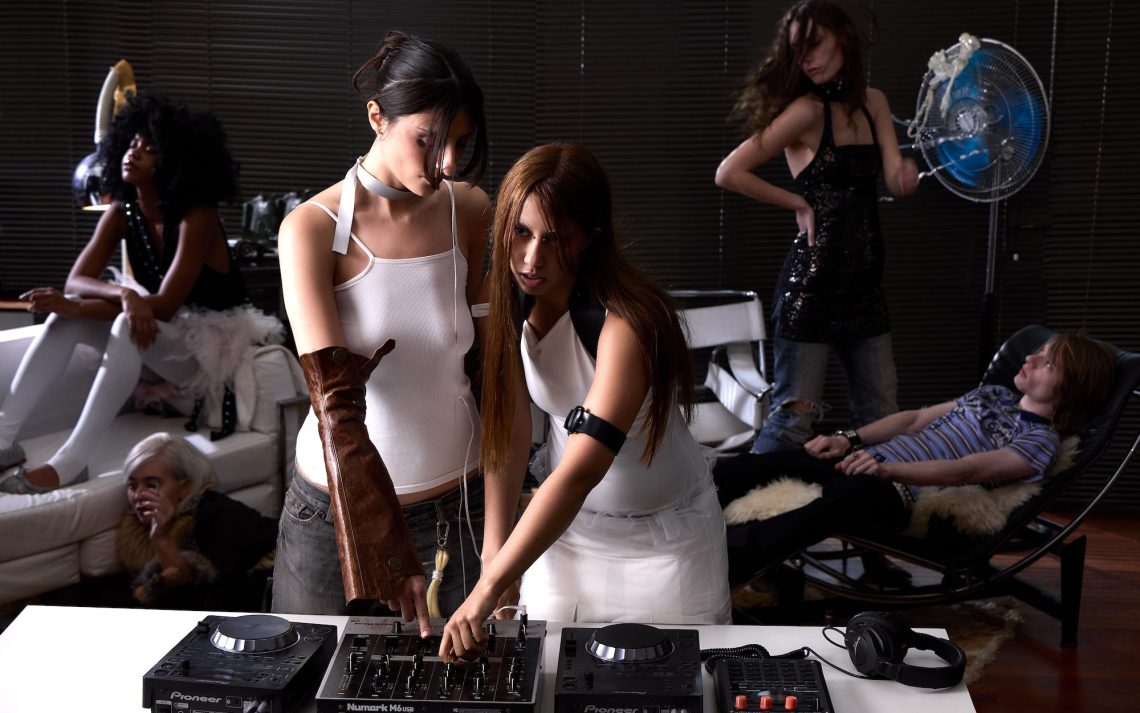
EQ: The Buenos Aires Duo Proving That Independent Dance Music Can Conquer the World
There’s something quietly revolutionary happening in the basement venues of London and the festival grounds of Berlin. A 26-year-old and a 22-year-old from Buenos Aires are making the kind of music that doesn’t just get people dancing – it makes them feel like they’re part of something bigger. EQ, the Argentinian electronic duo comprising Qiri (Candela Mattera) and Estratosfera (Laura Ferreira), have managed to do what many artists spend decades trying to achieve: build genuine momentum on their own terms, completely independently.
What’s particularly striking about EQ’s rapid ascent is how improbable it seems on paper. They’re not backed by a major label. They’re not riding a TikTok trend. They’re from the southernmost country in the world – a fact both members emphasise with a mixture of pride and bewilderment at their own success. Yet here they are in 2026, performing sold-out shows across Europe and Australia on their first headline tour, remixes coming from respected names like Nick León, umru, and Underscores, and collaborations with artists like Shygirl and Isabella Lovestory already under their belt.
From Bedroom Obsession to Global Recognition
The origin story of EQ reads like a testament to what happens when two genuinely talented people meet at exactly the right moment. Ferreira had spent years touring as a live guitarist for trap artist Saralamacara, but always harboured production ambitions. When she asked Saralamacara’s producer Evar to teach her the basics of music production, she hit a practical wall: no proper computer. Enter Mattera, who not only had the hardware but also the pedigree – six years of formal study in electroacoustic experimental music, plus already-award-winning credentials.
What emerged from their sleepovers and studio sessions was something entirely their own. The perfectionism on display is almost obsessive. Mattera describes recording vocal takes for eight hours straight, sometimes for a single track, obsessing over every element of the signal chain and resampling methodology. This level of care might sound exhausting, but it’s precisely what gives their music its distinctive character – a kind of pristine, maximalist approach to dance music that refuses to compromise.
The Moment Everything Changed
Their 2024 debut single “Boytoy” became the inflection point. A sultry neoperreo anthem draped in Getty-inspired cover art, it sparked the kind of organic viral moment that no amount of marketing budget can manufacture. The response was significant enough that Mattera made the decision to leave her university degree – a choice she describes as easy, suggesting she’d already mentally committed to music full-time.
Since then, the trajectory has been relentless. A self-titled debut EP generated enough buzz to land them a slot at Skrillex’s inaugural CONTRA festival in Berlin earlier this year. More importantly, the artists they’re now working alongside – the ones producing remixes, lending their voices to collaborations – represent the exact peers and influences that shaped their sound in the first place. As Estratosfera puts it, there’s something beautifully validating about that proximity to your heroes.
Dance, Resist, Repeat
Watch EQ perform and you notice immediately that this isn’t just a DJ set or a conventional live electronic show. During a recent set at Vespers in Peckham, Qiri took the stage wielding a massive flag emblazoned with the words “DANCE. RESIST. REPEAT.” It’s a political statement dressed up as a party slogan, and it captures something essential about their approach to music-making. There’s an ideological undercurrent running through their work – a sense that dancing together, creating collectively, and celebrating pleasure in the face of adversity are acts of resistance in themselves.
The crowd response – 200 people screaming back every lyric in both English and Spanish, party-goers fully committed to the moment – speaks to how EQ have managed to create something beyond mere entertainment. They’ve built a genuine community around their music, one that transcends language barriers and geographical distance.
The Independence Question
Perhaps most impressive is their insistence on maintaining complete creative and operational control. They’re handling everything independently with a small, dedicated team. In an industry where the pressure to sign to a major label or management company is relentless, EQ’s refusal to take that route feels increasingly countercultural. They’ve proven that you don’t need a massive apparatus behind you to reach festival crowds, secure remixes from established producers, and build genuine international momentum.
That said, they’re also refreshingly honest about how surprising all of this feels. Estratosfera’s acknowledgment that “it’s been very little time” and they’re still astonished at their own success suggests a groundedness that many artists lose the moment their first track gains traction. There’s no sense of entitlement here, just genuine gratitude for the opportunity to make music with their peers.
What’s Next?
As 2026 unfolds, EQ find themselves at a fascinating juncture. They have the momentum, the credibility, and the creative vision to go as far as they want to go. The question isn’t whether they’ll remain relevant – their output and ethos suggest they’ll only deepen their commitment to the music – but rather how they’ll navigate the inevitable pressure to scale up their operation.
For now, though, they’re doing what they do best: making “good fucking party music,” as they unapologetically describe it. They’re touring. They’re creating. They’re waving their flags and making crowds scream in multiple languages. In a music industry that often feels obsessed with shortcuts and viral moments, EQ represent something increasingly rare: artists who are willing to do the work, trust their instincts, and let their music speak for itself.
The party is just getting started.
